
Consumer Durables in India: The 2027 Growth Inflection
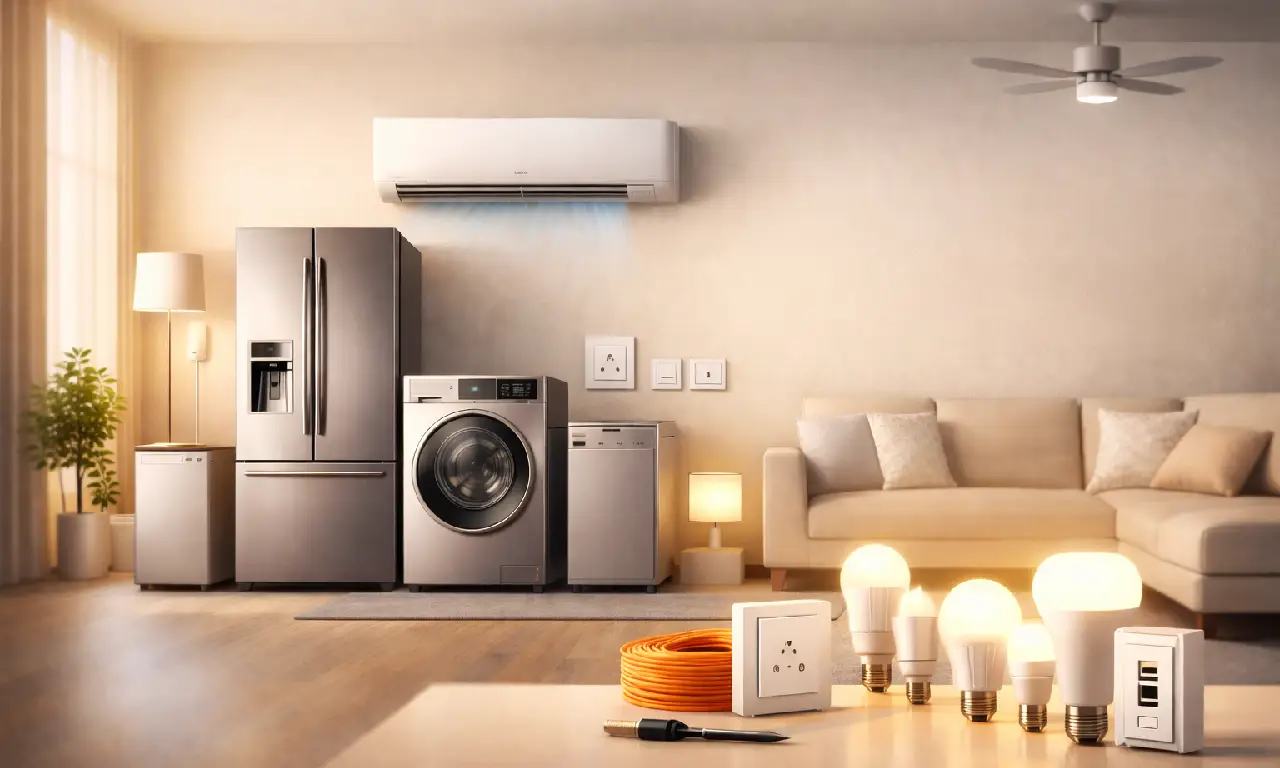
India’s consumer durables market is approaching a structural inflection point. By 2027, the country is projected to become the fourth largest consumer durables market globally. This milestone reflects a deep economic shift rather than a temporary demand surge.
Rising incomes, manufacturing expansion, FMEG growth, and omnichannel transformation are converging to redefine the sector’s trajectory. The next phase of growth will not be volume driven alone. It will be value driven, technology enabled, and strategically competitive.
The Scale of the Opportunity
India’s consumer durables industry has historically been characterized by low penetration across several appliance categories. However, over the past decade, penetration curves have started to steepen. Refrigerators, air conditioners, washing machines, televisions, and small domestic appliances have all experienced steady expansion, supported by rising purchasing power and improved distribution networks.
Industry estimates suggest that the sector may approach USD 60 billion by the end of the decade, growing at a CAGR between 9 and 11 percent. Becoming the fourth largest market globally by 2027 would place India behind only the United States, China, and Japan in scale.
This growth is not concentrated in one category. It is broad based, spanning cooling appliances, kitchen equipment, smart devices, and increasingly, Fast Moving Electrical Goods or FMEG.
The story is not about short term demand recovery. It is about long term structural realignment.
Structural Growth Drivers of the Indian Consumer Durables Market
The expansion of the consumer durables market in India is not accidental. It is supported by several interconnected structural forces.
Rising Disposable Income and Middle Class Growth
India’s expanding middle class has fundamentally altered consumption patterns. Earlier purchase decisions were driven by affordability and necessity. Today, they are increasingly driven by aspiration and lifecycle upgrades.
Consumers are shifting toward:
- Energy efficient appliances
- Premium finishes and designs
- Smart connectivity features
- Long term value propositions
This transition from entry level ownership to premium upgrades is driving higher ticket sizes across categories.
Urbanisation and Housing Multiplier Effect
Urban migration and new housing developments directly influence appliance demand. Every new housing unit triggers a cascade of purchases across cooling, lighting, kitchen, and electrical categories.
The housing multiplier creates structural demand visibility. Even renovation cycles contribute meaningfully, as urban consumers increasingly invest in home upgrades.
Electrification and Rural Penetration
Government electrification programs and improved rural infrastructure are expanding the addressable market. Penetration of major appliances in rural India still lags urban benchmarks, indicating long term headroom for growth. Financing innovations and ecommerce penetration are gradually bridging access gaps.
Manufacturing Expansion and Policy Support
Policy support has become a major catalyst for the Indian consumer durables market.
Production Linked Incentive Impact
The Production Linked Incentive scheme for white goods has accelerated domestic manufacturing capacity. Incentives tied to incremental production have encouraged capital investments in components and finished goods assembly.
FDI and Localisation Strategy
With 100 percent FDI allowed in electronics manufacturing, global brands are expanding local operations. Over time, localisation reduces cost volatility and strengthens supply chain resilience.
Strategic Manufacturing Imperatives
To sustain growth, manufacturers must focus on:
- Component localisation
- Cost optimisation
- Capacity scalability
- Export potential Manufacturing depth will determine margin stability in the next decade.
The Rise of FMEG in India
Fast Moving Electrical Goods represent a parallel growth engine within the broader consumer durables landscape.
What Falls Under FMEG
FMEG includes:
- Modular switches
- Wires and cables
- Lighting solutions
- Fans
- Electrical fittings
Traditionally fragmented, this segment is witnessing brand led consolidation.
Why Electrical Players Are Expanding into FMEG
Electrical infrastructure companies are moving toward consumer facing categories to capture higher margin opportunities. FMEG provides:
- Retail brand visibility
- Recurring upgrade cycles
- Design differentiation potential
- Better gross margins compared to commodity electrical products
As housing expansion continues, FMEG demand is likely to rise steadily.
Premiumisation and Smart Appliance Adoption
The Indian consumer durables market is increasingly defined by premiumisation.
Energy Efficiency as a Core Driver
Rising electricity costs and environmental awareness are pushing consumers toward inverter technology and high efficiency ratings. Appliances are now evaluated on lifecycle cost rather than upfront price alone.
Smart Home Ecosystem Integration
Smart TVs, IoT enabled ACs, and connected washing machines are gaining adoption. Consumers expect integration with mobile apps and home automation systems. Technology cycles are shortening. Innovation velocity must accelerate accordingly.
Omnichannel Transformation in Consumer Durables
The path to purchase has evolved significantly. Consumers now research products online, compare specifications digitally, read reviews, and then either purchase online or validate offline.
The Modern Purchase Journey
The typical journey now includes:
- Digital discovery
- Ecommerce comparison
- Offline validation
- Hybrid purchase decision
Brands must integrate pricing, inventory, and communication across channels to avoid margin erosion and brand dilution.
Strategic Digital Capabilities Required
Companies competing in this environment must develop:
- SEO driven product visibility
- Data driven performance marketing
- Conversion tracking and funnel analytics
- Marketplace optimisation
Digital execution is no longer optional in the Indian consumer durables market.
Competitive Landscape and Market Consolidation
As India approaches the fourth largest market status, competitive intensity is increasing.
Incumbent Expansion
Established brands are investing in:
- Manufacturing scale
- Distribution expansion
- Brand marketing
- Product portfolio diversification
New Entrant Strategies
New players are leveraging:
- Contract manufacturing
- Digital first positioning
- D2C models
- Niche category focus
The balance between scale and agility will determine market leadership.
Key Risks and Constraints
Despite strong growth momentum, risks remain.
-
Raw Material Volatility: Fluctuations in metals and semiconductor inputs can impact cost structures. Margin protection requires supply chain hedging and localisation.
-
Rural Demand Variability: Agricultural income cycles can influence rural appliance demand. Channel financing innovation can mitigate some volatility.
-
Rapid Technology Obsolescence: Consumer expectations are evolving quickly. Brands that fail to innovate risk losing relevance. Sustainable leadership requires continuous reinvestment in R and D.
Strategic Imperatives for Industry Leaders
To capture disproportionate value in the Indian consumer durables market, leaders must prioritise five areas.
-
Portfolio Rationalisation: Not all categories grow uniformly. Strategic focus on high growth, high margin segments improves capital efficiency.
-
Manufacturing Depth: Backward integration and localisation strengthen long term competitiveness.
-
Data Driven GTM Execution: Digital analytics enables better demand forecasting, pricing optimisation, and inventory planning.
-
Brand Differentiation: Premium positioning must be built on innovation and reliability rather than discounting.
-
Service Excellence: After sales service remains a decisive factor in repeat purchase decisions.
The 2027 Milestone: Strategic Implications
Becoming the fourth largest consumer durables market is not symbolic. It alters global boardroom priorities.
India will increasingly attract:
- Global manufacturing investments
- Private equity capital
- Technology partnerships
- Innovation pilots
The inflection point is immediate. Strategic positioning must begin now.
Conclusion: From Growth Market to Strategic Market
India’s consumer durables and FMEG sector is transitioning from a high potential market to a strategic global priority. Structural drivers such as income growth, urbanisation, policy support, and digital integration are reinforcing multi year expansion.
However, scale without strategic clarity can dilute profitability. Enterprises that integrate manufacturing depth, omnichannel excellence, brand differentiation, and data driven execution will define the next decade of leadership.
At GrowthJockey, we operate as a venture architect, supporting enterprises in designing and scaling new growth engines within consumer durables and FMEG categories. By integrating GTM strategy, ecommerce enablement, SEO architecture, and performance analytics platforms such as Intellsys, we help businesses move beyond incremental expansion toward structured, scalable growth.
In markets evolving this rapidly, disciplined venture building becomes a competitive advantage.
FAQs
Q1. What is driving India’s consumer durables market growth?
Ans. Rising incomes, urbanisation, premiumisation, manufacturing incentives, and digital adoption are key drivers.
Q2. Why is India expected to become the fourth largest market by 2027?
Ans. Strong CAGR projections, expanding middle class consumption, and domestic manufacturing growth are accelerating scale.
Q3. What role does FMEG play in this sector?
Ans. FMEG provides higher margin consumer facing opportunities within electrical categories.
Q4. Which segments are expected to grow fastest?
Ans. Air conditioners, smart appliances, and energy efficient products are expected to outperform.
Q5. What are the major risks in the sector?
Ans. Raw material volatility, rural demand variability, and rapid technology evolution are key constraints.









Industries
Growth
Operations
Technology